


What is the difference between Retinal and Retinol for skin tightening?
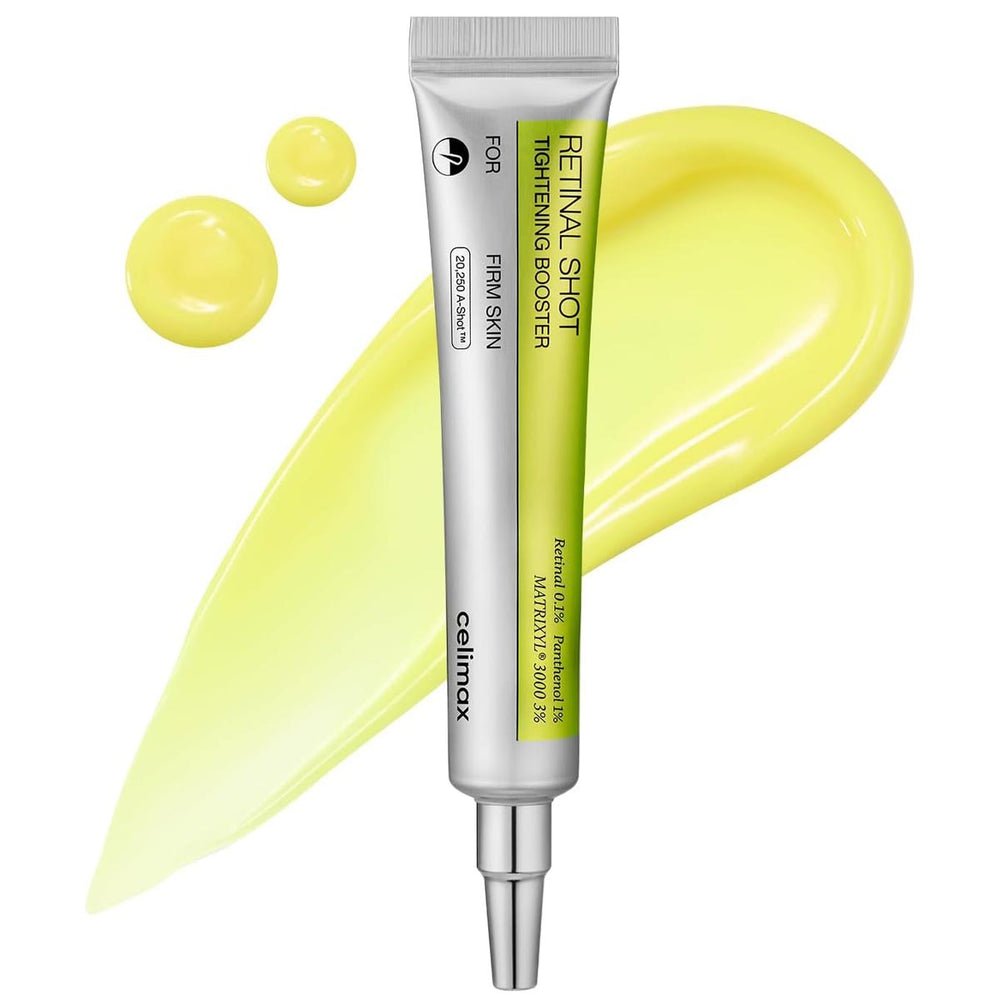
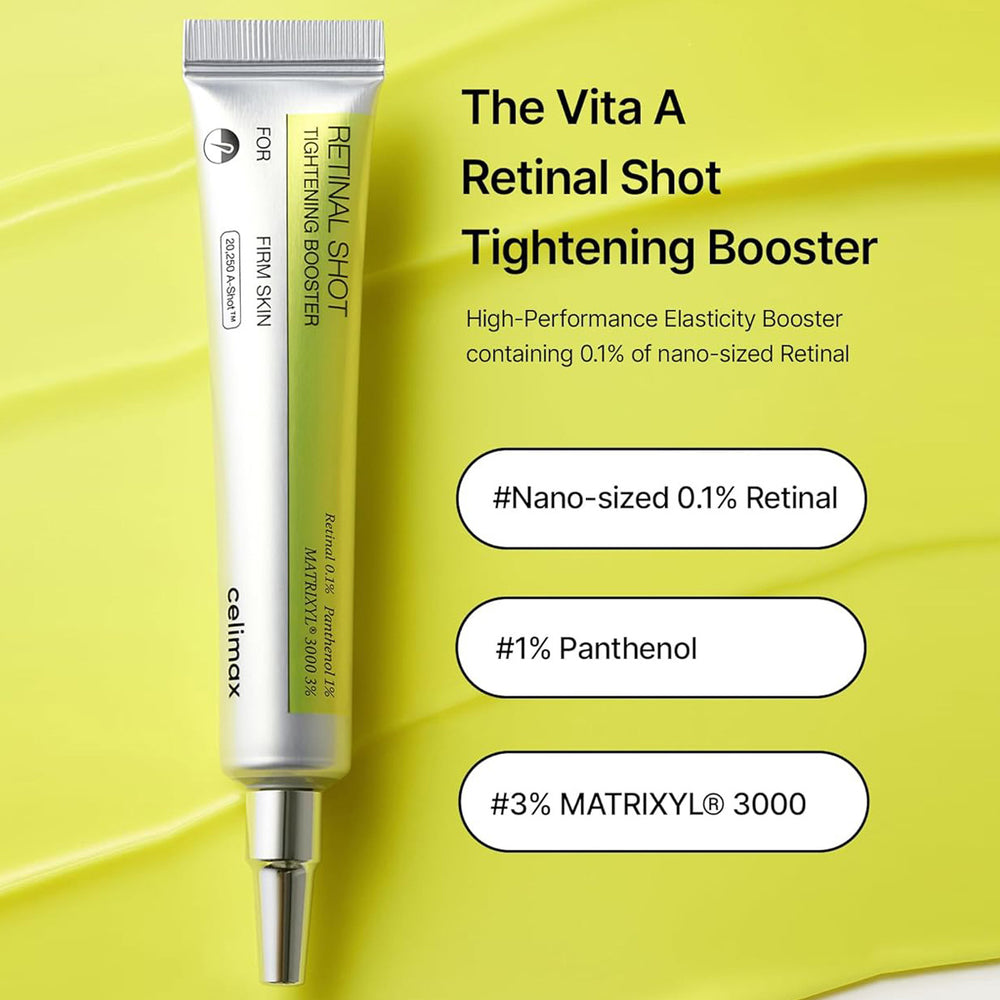
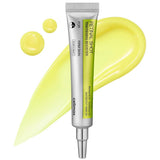
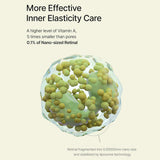
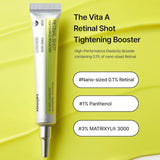
Retinal (Retinaldehyde) is a more potent form of Vitamin A that works up to 11 times faster than traditional Retinol. While Retinol requires two conversion steps to become active in the skin, Retinal only needs one. This makes the Vita-A Retinal Shot highly effective for rapid skin tightening, reducing the appearance of deep wrinkles, and improving skin density compared to standard retinol serums.
How do I use a "Retinal Booster" in my nighttime skincare routine?
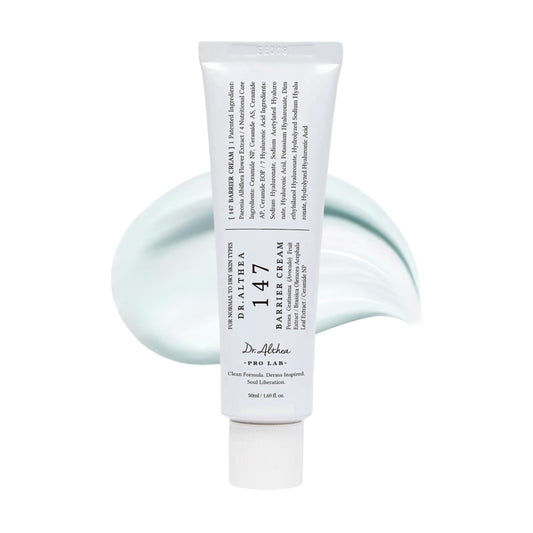
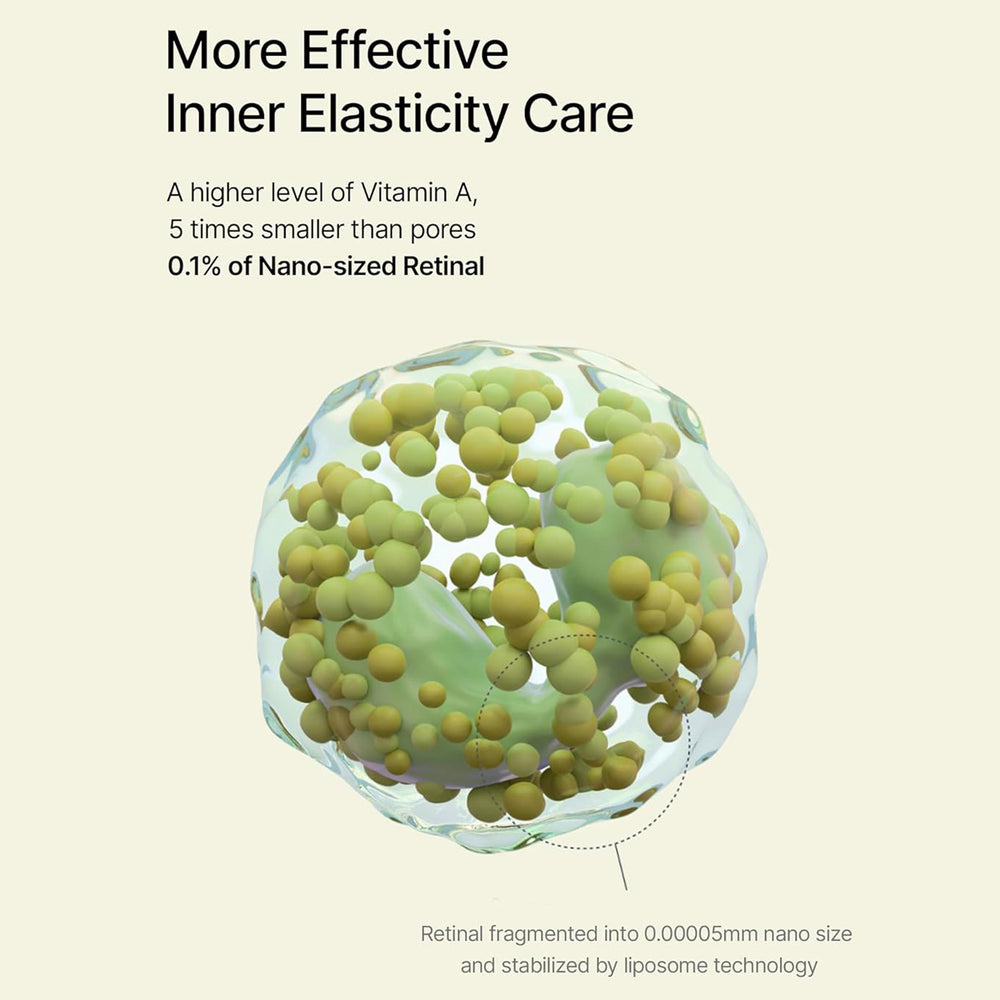
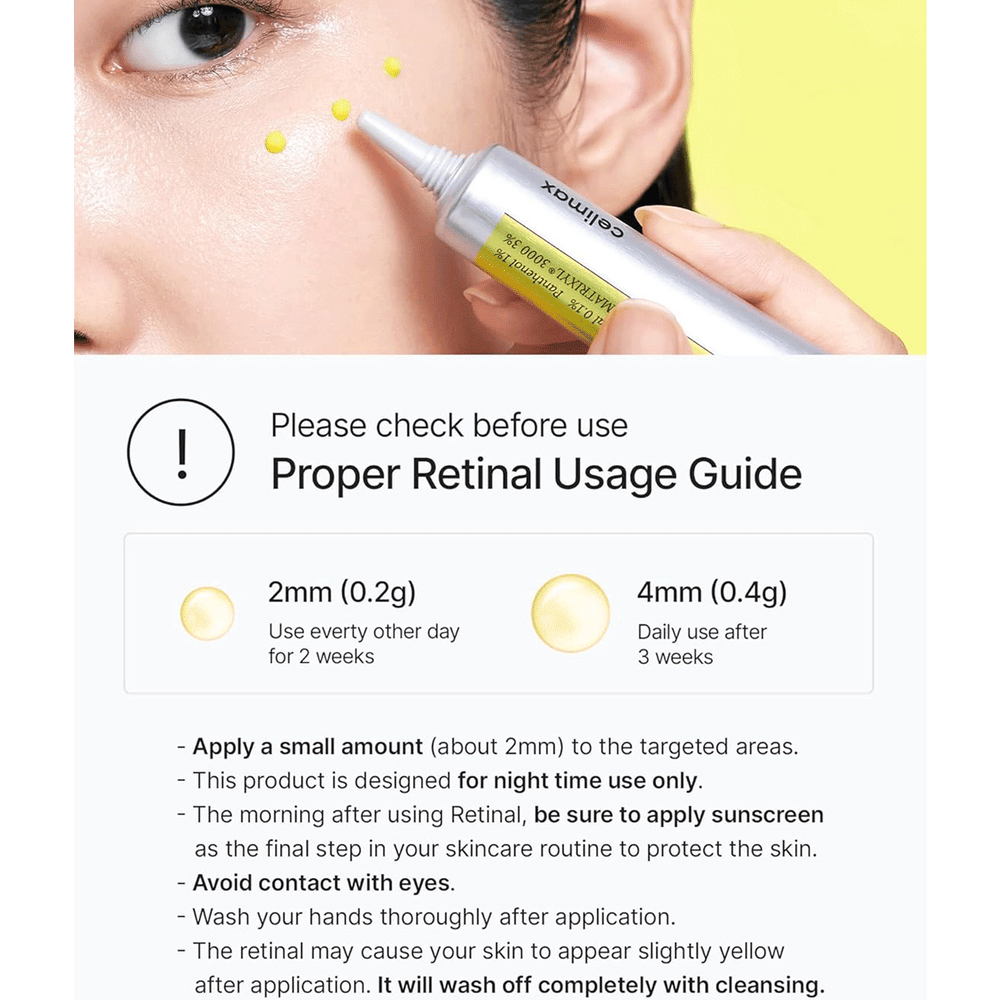
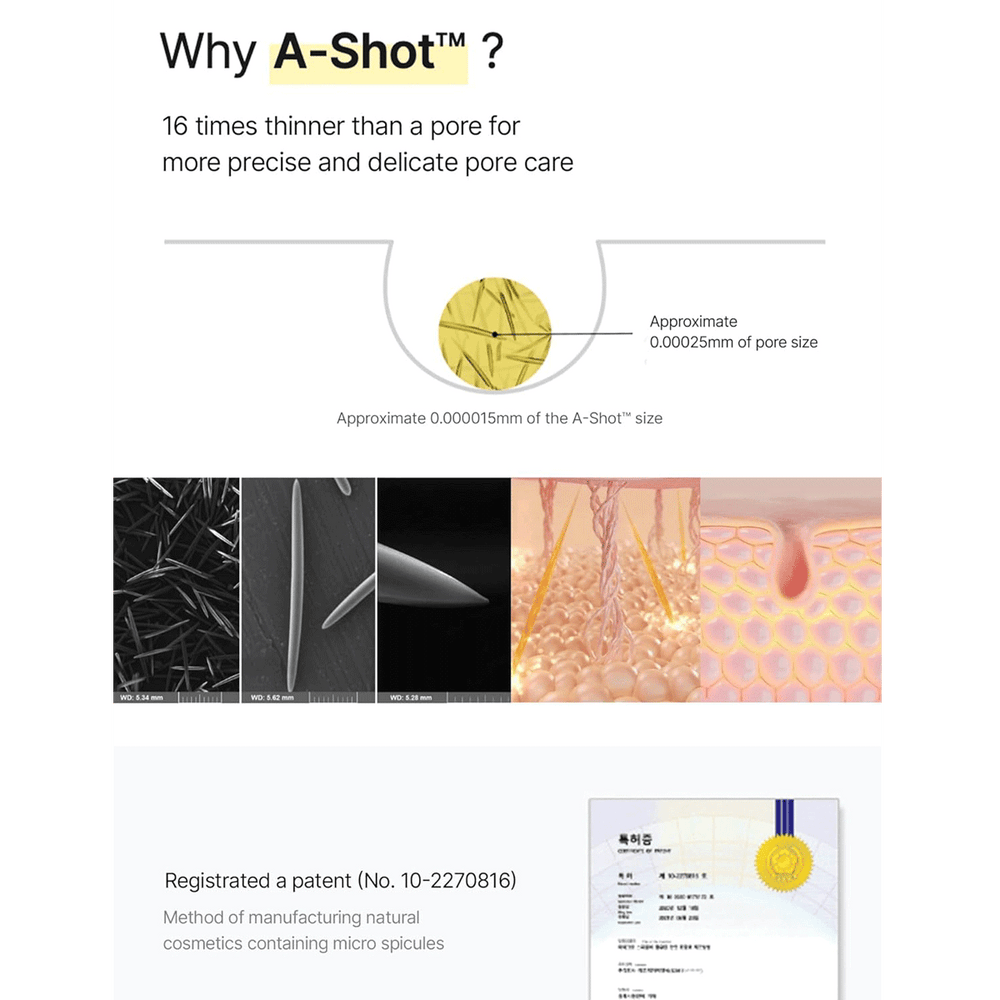
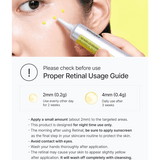
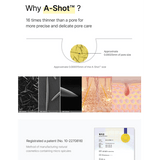
This booster is designed to be versatile. After cleansing and toning, apply a pea-sized amount directly to target areas (like forehead lines or enlarged pores) or mix it with your favorite moisturizer to "boost" its anti-aging power. Because it features A-Shot™ micro-particle technology, it penetrates deeper into the pores. Always use it in your PM routine and follow with a barrier-repair cream.
Will the Vita-A Retinal Shot help with enlarged pores and sagging skin?
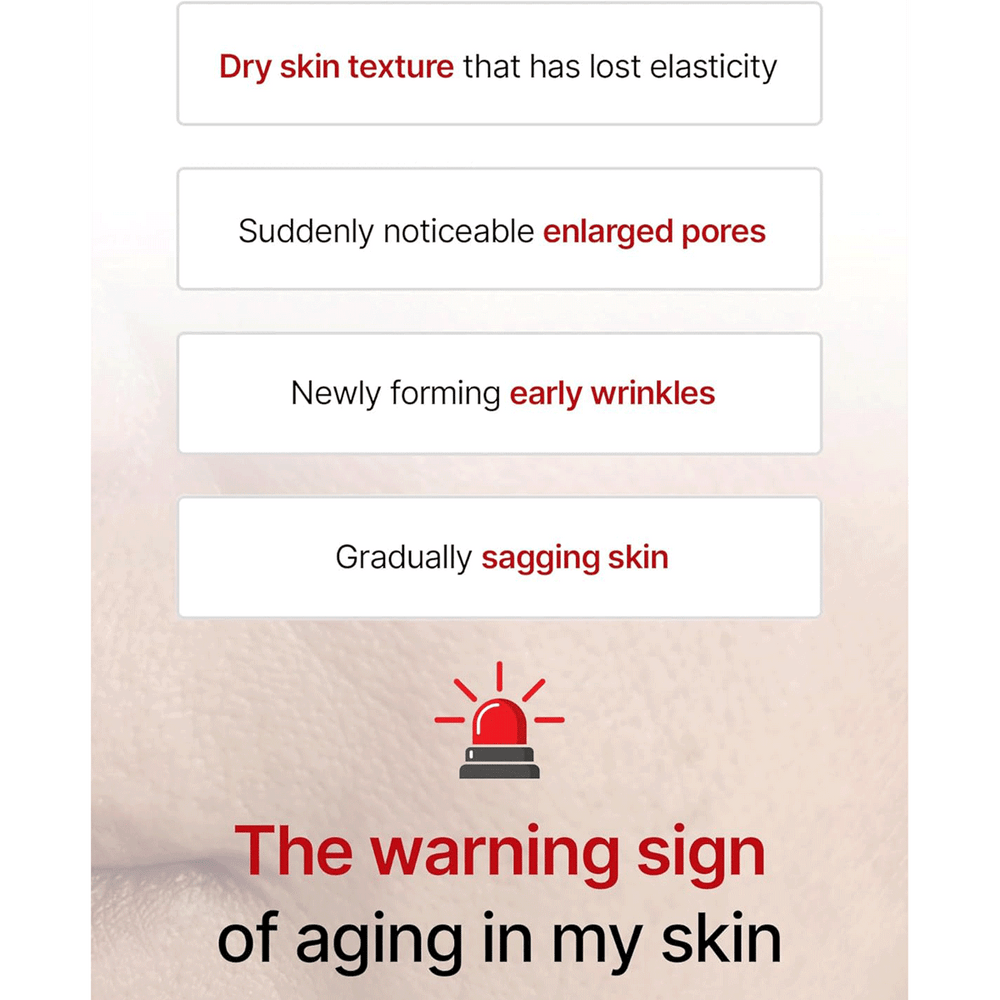
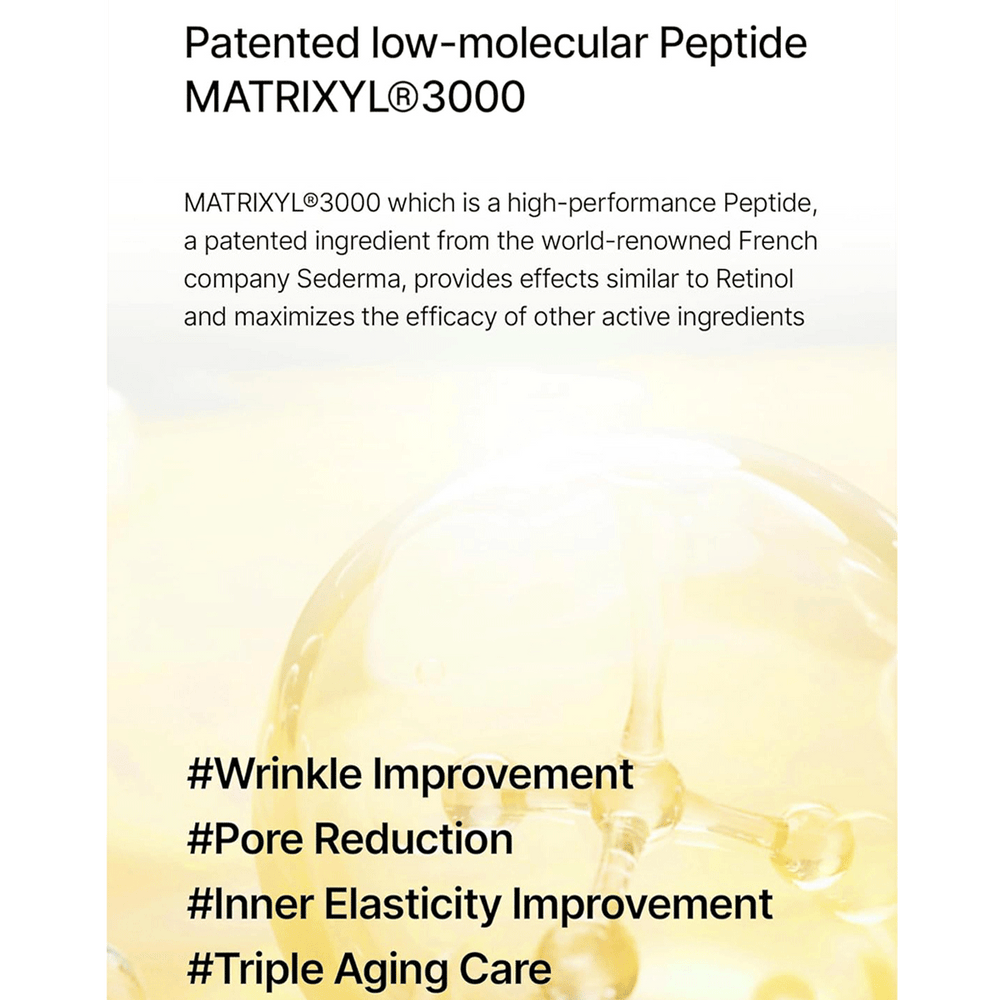
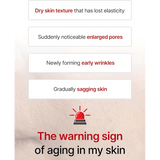
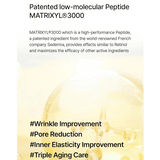
Yes. Unlike basic retinoids, this formula combines 0.1% Retinal with 3% Matrixyl 3000 (a powerful peptide). This duo specifically targets the "structural" signs of aging. It works by stimulating collagen production to "fill in" sagging areas and tightening the walls of enlarged pores, resulting in a smoother, "glass-skin" texture.
Is this retinal booster safe for sensitive skin or beginners?
The Vita-A Retinal Shot is formulated with Panthenol and Ceramides to soothe the skin and minimize the redness or peeling often associated with Vitamin A. For beginners, we recommend the "low and slow" method: use it 2–3 times a week at night, gradually increasing frequency as your skin builds tolerance. A slight tingling sensation is normal—it means the A-Shot particles are delivering the active ingredients.
Can I use Retinal with other active ingredients like Vitamin C or AHA/BHA?
To avoid irritation, do not use the Retinal Shot in the same routine as exfoliating acids (AHAs/BHAs) or high-strength Vitamin C. We recommend using your Vitamin C in the morning and the Retinal Shot at night. Most importantly, always apply a broad-spectrum SPF 30+ the following morning, as retinal increases the skin's sensitivity to UV rays.