
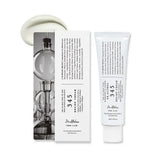
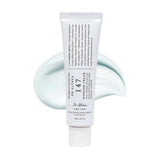


What is the difference between Dr. Althea 345 Relief Cream and 147 Barrier Cream?
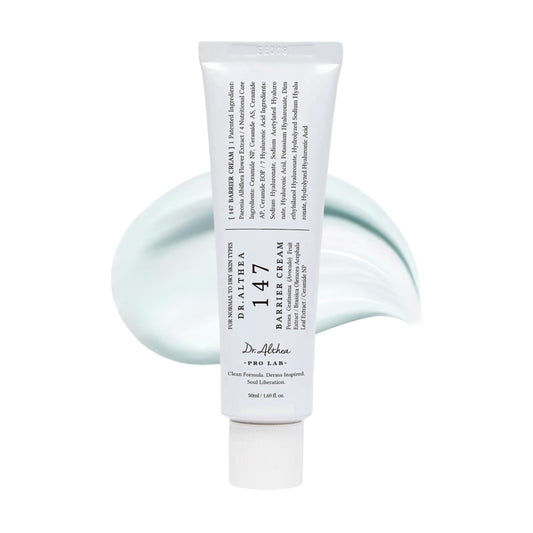
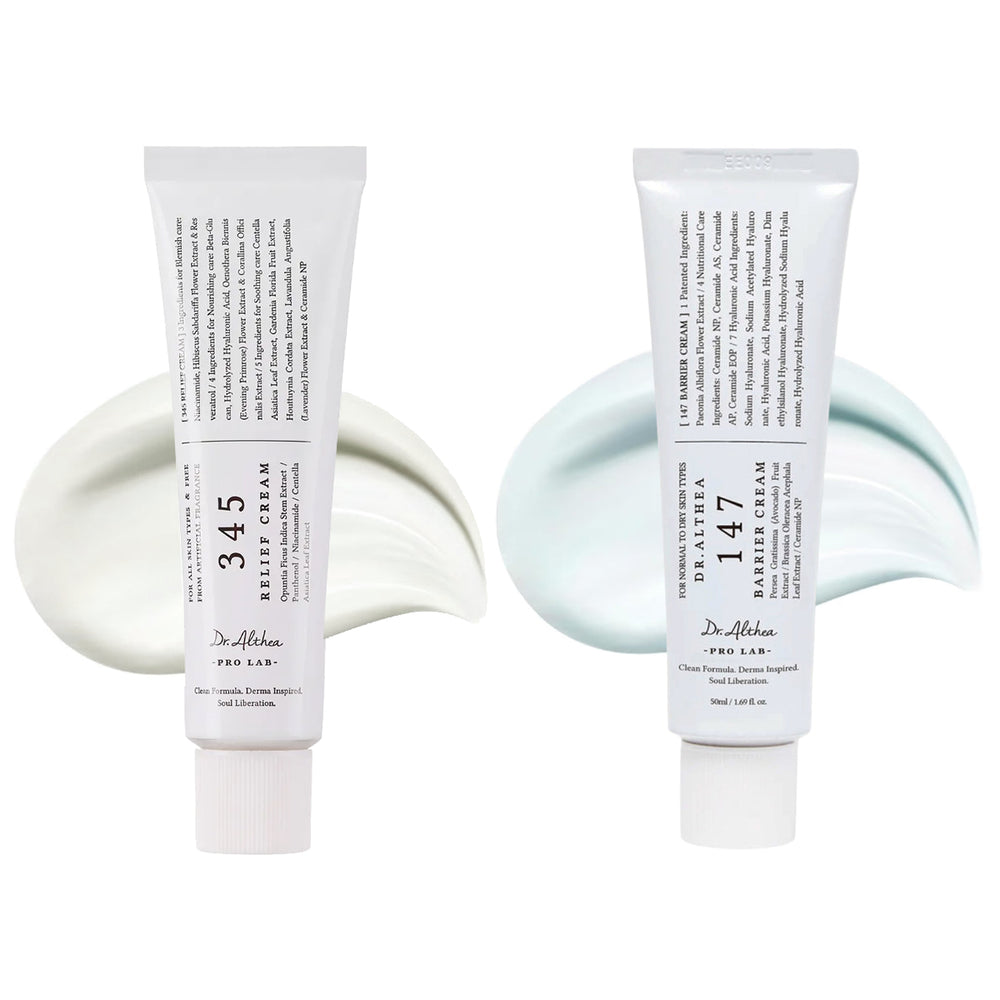
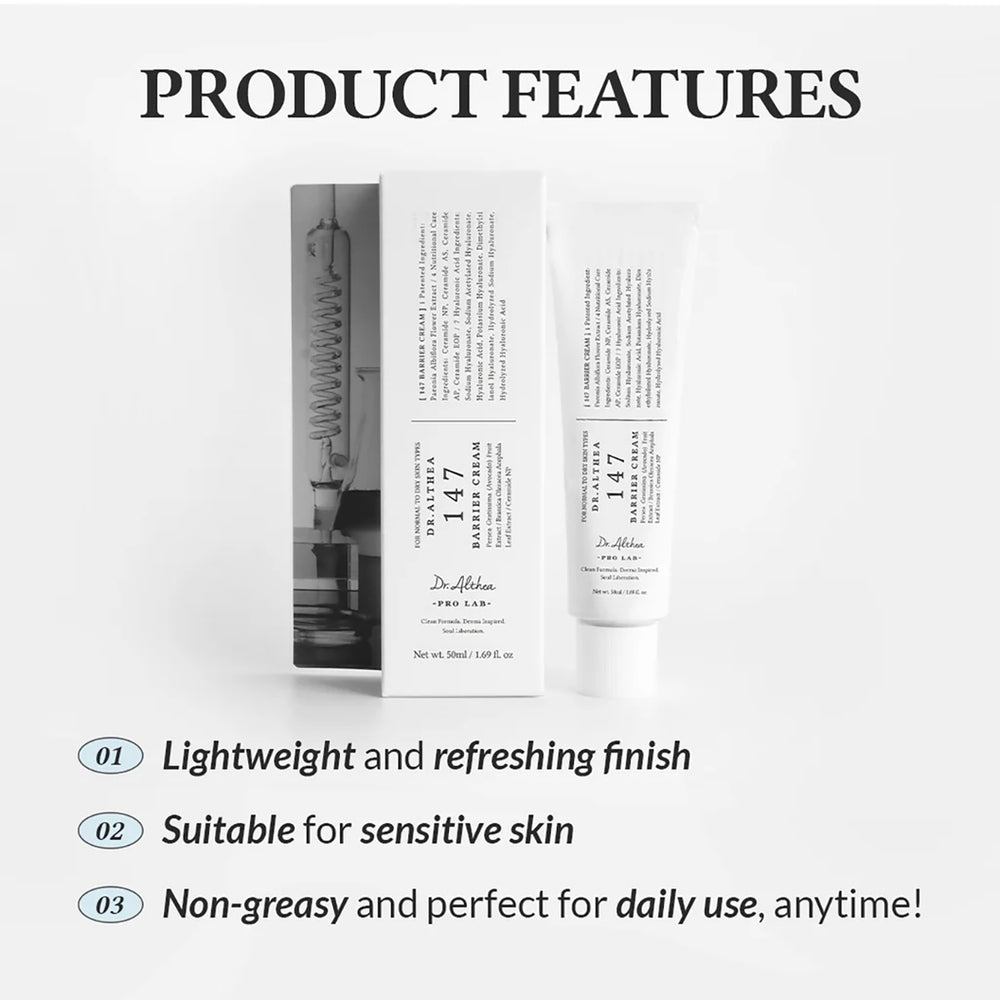
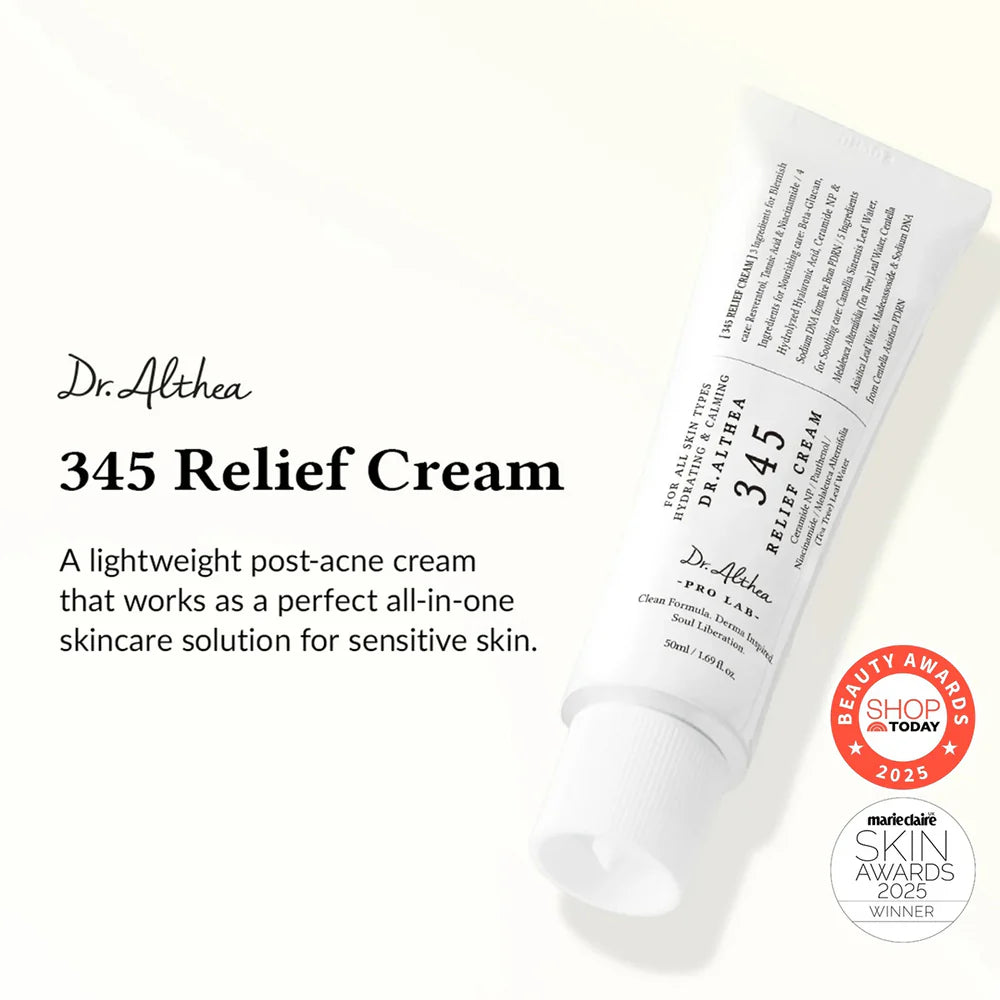
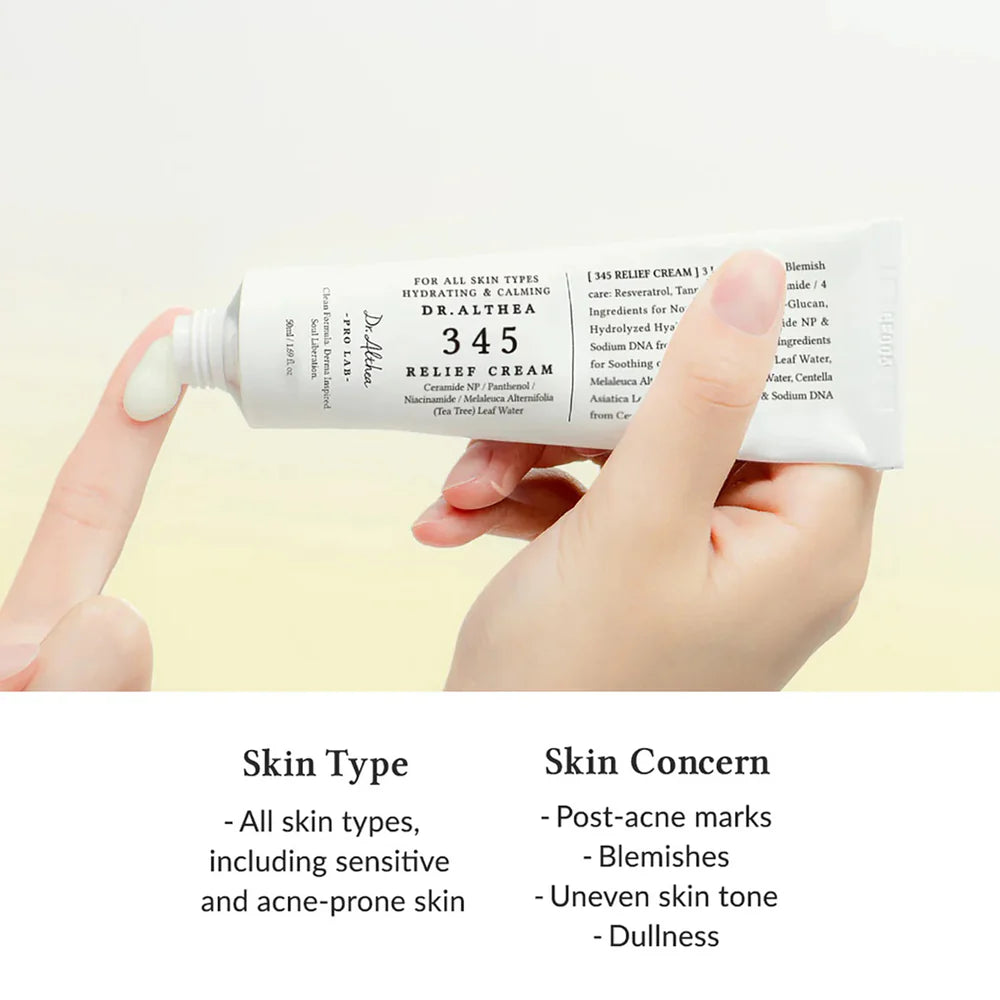
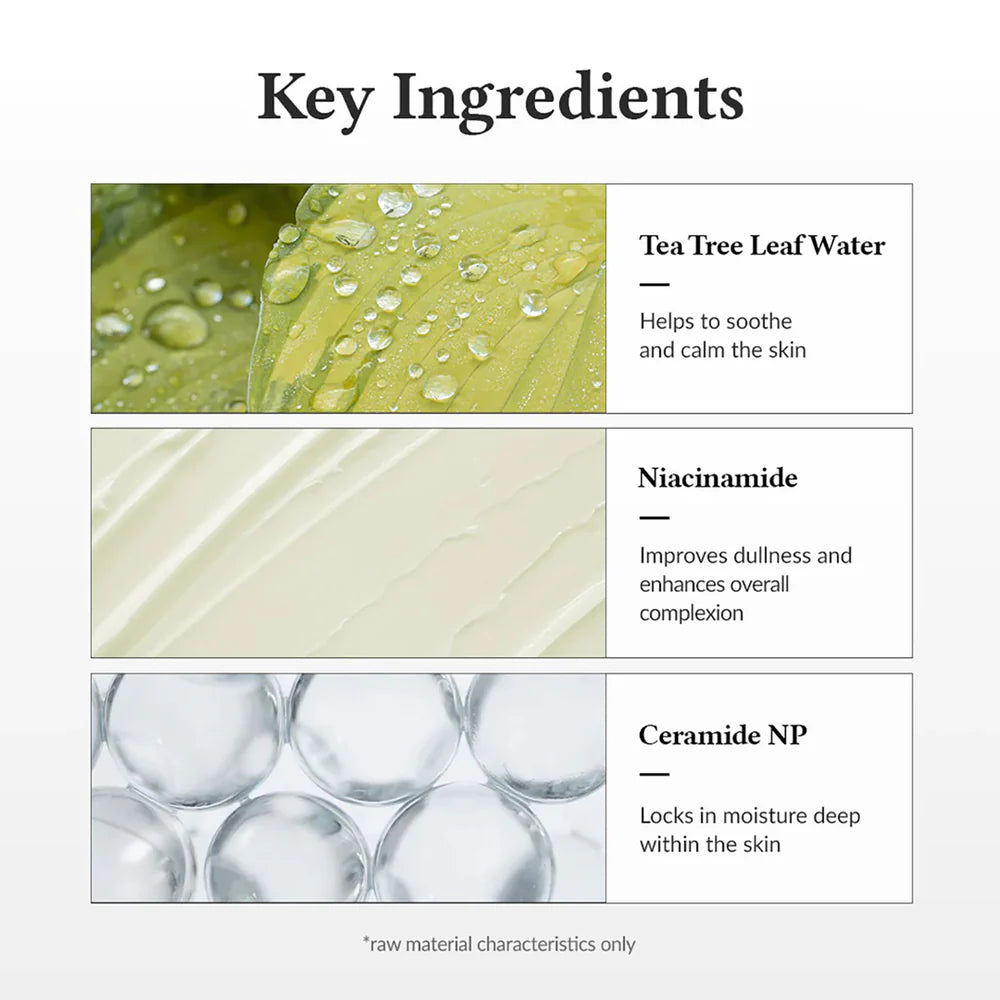
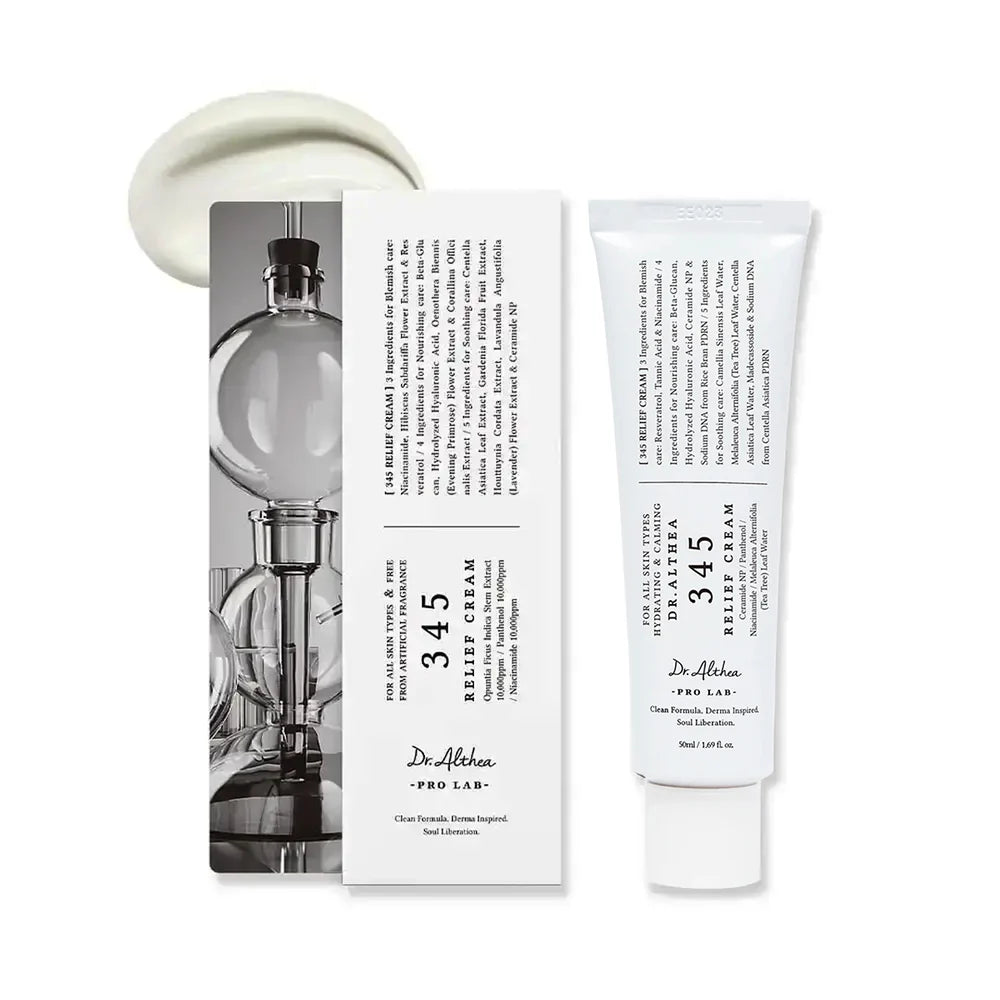
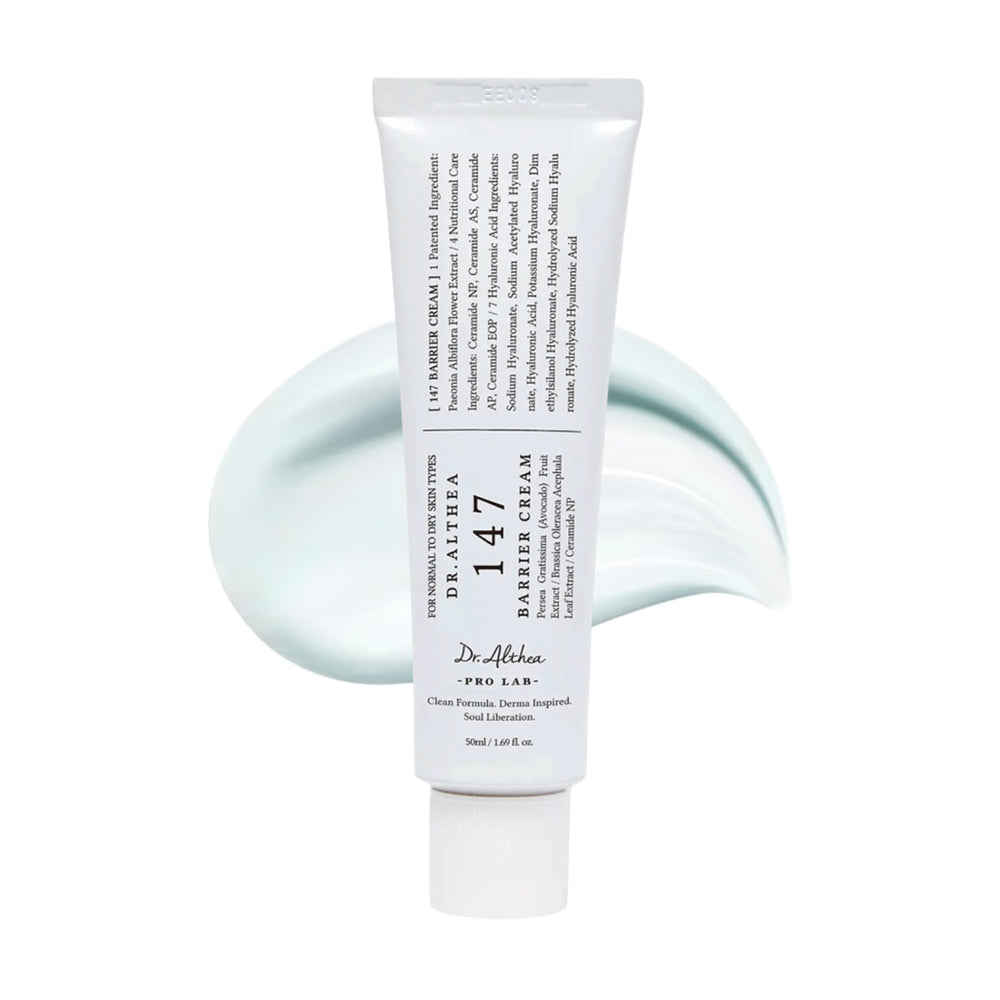
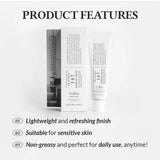
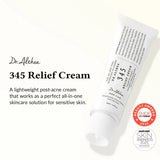
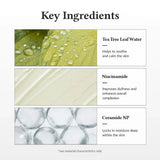
The 345 Relief Cream is a lightweight gel-cream designed primarily to soothe irritated, acne-prone skin and fade post-acne marks using ingredients like Niacinamide and Centella Asiatica. In contrast, the 147 Barrier Cream is a rich, intensive ointment-style cream focused on deep nourishment and repairing a damaged skin barrier. While the 345 cream "calms" the skin, the 147 cream "fortifies" it against external stressors.
How should I use the Dr. Althea Restore & Soothe Duo in my routine?
This duo is highly versatile and can be used based on your skin's immediate needs. Many users apply the 345 Relief Cream in the morning for lightweight, soothing hydration that wears well under makeup, and the 147 Barrier Cream at night as a recovery mask. Alternatively, you can "multi-moisturize" by applying the 345 cream to oily areas (like the T-zone) and the 147 cream to dry patches or compromised areas.
Is this duo effective for repairing a damaged skin barrier?
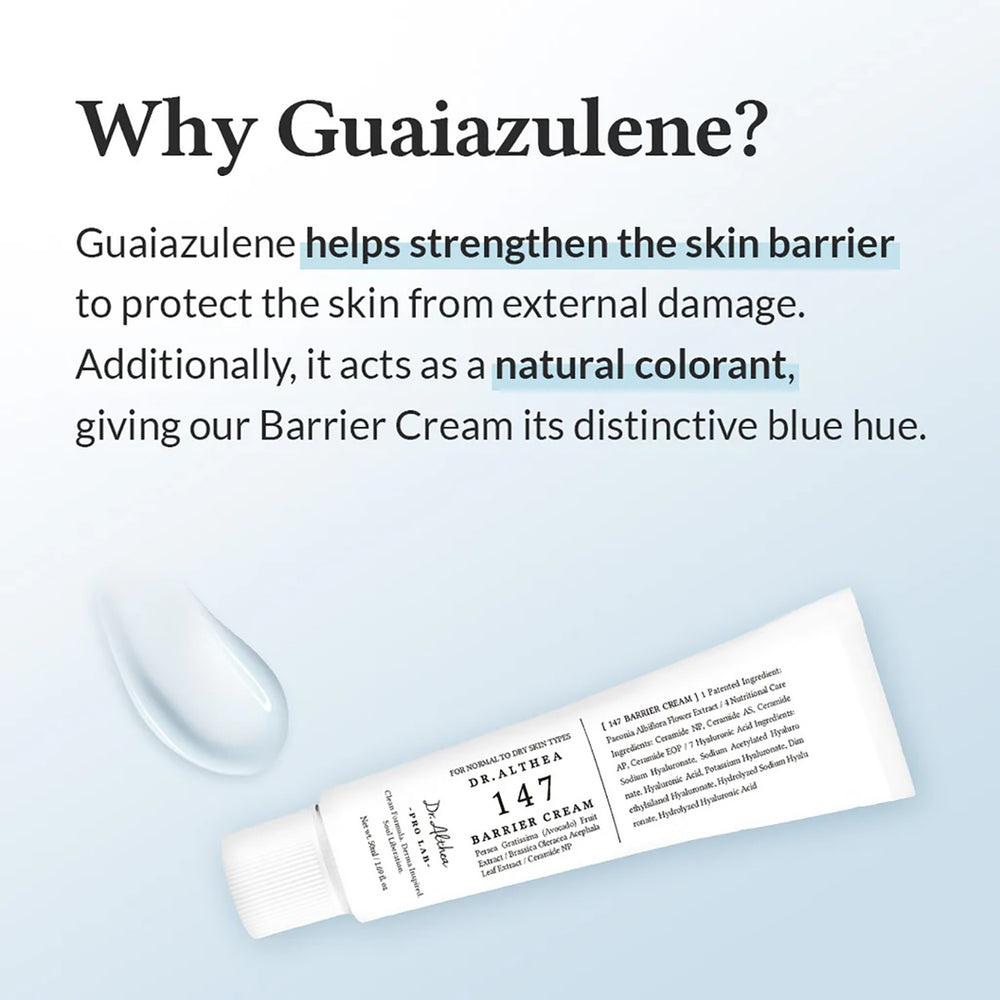
Yes, this set is specifically curated for barrier recovery. The 147 Barrier Cream uses a "Barrier Repair Complex" to mimic the skin's natural lipids, sealing in moisture and stopping transepidermal water loss. When paired with the 345 Relief Cream, which reduces the underlying inflammation often associated with barrier damage, the skin can heal faster and become less reactive over time.
Can the 345 Relief Cream help with acne scars and redness?
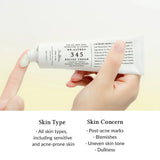
The 345 Relief Cream is excellent for post-inflammatory hyperpigmentation (PIH) and active redness. It contains Niacinamide and Hibiscus Sabdariffa Flower Extract, which work together to brighten the complexion and even out skin tone. Its soothing properties also help to take the "heat" out of active breakouts, reducing the likelihood of permanent scarring.
Is the Dr. Althea 147 Barrier Cream too heavy for oily skin?
While the 147 Barrier Cream has a thicker, more occlusive texture, it is formulated to be non-comedogenic. For those with oily skin, it is best used as a "spot treatment" for dry areas, a night cream during cold winter months, or as a recovery treatment after using strong actives like Retinol or AHAs. Its goal is to provide a protective layer without clogging pores.